From Working District to Culinary Destination
The 11th arrondissement was not historically the polished center of Paris luxury dining. Its identity came from artisans, workshops, popular housing, nightlife, and a street grid that encouraged local commerce rather than monumental display. That background made it fertile ground for a more democratic restaurant culture.
As younger chefs and operators looked east for smaller spaces and more manageable rents, the district evolved into a map of independent openings that still felt embedded in everyday city life.
The rise of the 11th signaled that culinary prestige in Paris no longer had to be tied to grand western addresses or palace-hotel codes.
Markets, Bakeries, and Daily Eating
Food culture in the 11th is not only about destination dinners. Neighborhood markets, produce shops, bakeries, coffee counters, and lunch-driven canteens create the daily ecosystem that makes evening restaurants legible. Chefs and residents often shop the same streets, even if not the exact same budgets.
Boulevard Richard-Lenoir and nearby commercial arteries connect classic Paris habits such as market shopping and bakery loyalty with newer appetites for specialty coffee, natural wine, and ingredient-focused small plates.
- Open-air markets anchor seasonal produce habits
- Bakeries and cafes maintain all-day neighborhood rhythm
- Wine bars and casual counters bridge lunch, aperitif, and dinner culture
Restaurant Density and Culinary Diversity
The arrondissement's appeal lies partly in density. Diners can move between a serious bistro, a bar a vins, a pastry stop, and a late-night cafe within a few blocks. That proximity encourages comparison and repeat visits rather than one-off destination behavior.
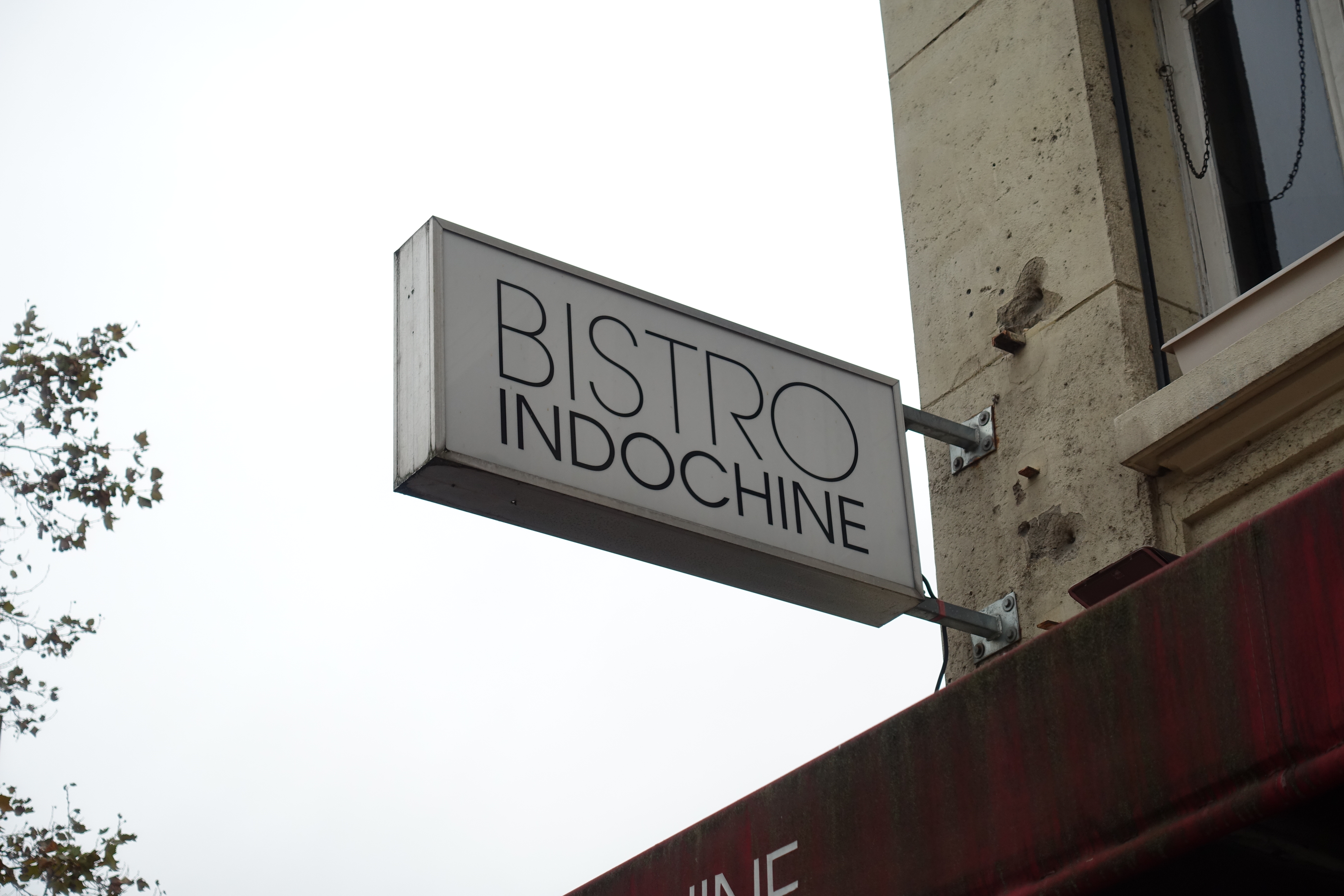
The area also reflects modern Paris's plural food identity. French bistros coexist with Levantine, East Asian, West African, and pan-European influences, creating a neighborhood that feels more like a lived city than a curated dining quarter.
The 11th is strongest when understood as a network of everyday food places plus a handful of internationally watched restaurant addresses.
Why the 11th Matters to Contemporary Paris
If central Paris often stages heritage, the 11th often stages change. It shows how a city with deep culinary mythology continues to update itself through modest rooms, chef-owner projects, and diners willing to travel for conviction rather than luxury.
Restaurants associated with the arrondissement helped normalize shorter menus, stronger wine programs, less formal service, and the idea that neighborhood scale could coexist with global influence.
- The 11th rewards walking and flexible meal planning
- Reservations matter, but spontaneous eating still defines the area
- Its significance is cultural as much as gastronomic