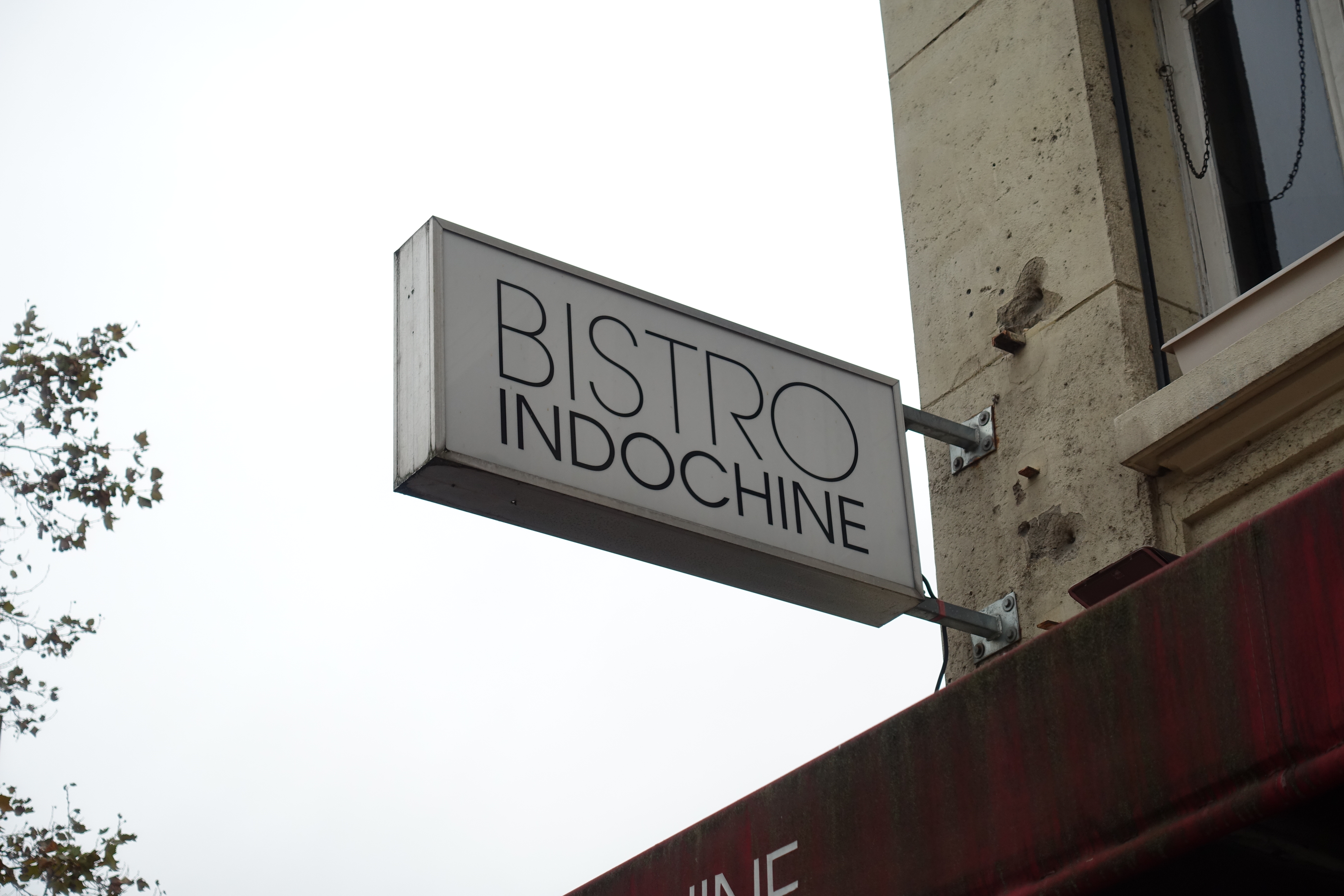
From Tire Company to Dining Authority
The Michelin Guide began as a practical publication intended to encourage motoring by helping drivers find places to eat, sleep, and maintain their vehicles. Over time, its restaurant judgments gained disproportionate cultural power, particularly in France where culinary hierarchy already carried national significance.
The star system made restaurants legible to travelers and investors alike. A compact set of symbols could turn a dining room into a destination and a chef into a public figure.
Michelin did not invent culinary prestige in France, but it standardized and exported a highly influential way of measuring it.
Paris as Theater of Distinction
Paris concentrated the guide's importance because it already contained luxury hotels, courtly culinary inheritance, journalism, and international visitors. Stars in Paris could confirm old reputations, elevate newcomers, or dramatize the city's constant negotiation between tradition and change.
For decades, Michelin favored consistency, technical control, luxury ingredients, and a sense of destination seriousness. That preference aligned naturally with classical Paris gastronomy, even as newer movements pushed against it.
- Paris stars carry symbolic weight beyond simple local demand
- Ratings affect staffing, pricing, and global visibility
- A city's mythology can intensify the meaning of guide decisions
Criticism, Pressure, and Changing Taste
The guide has long been criticized for secrecy, conservatism, and the psychological pressure it places on chefs and owners. Earning a star can transform a business; losing one can damage morale, finances, and public confidence even when the cooking remains excellent.
At the same time, Michelin has adapted. More casual formats, chef tables, and produce-led modern restaurants now appear more often in its universe, reflecting broader changes in how excellence is understood.
Michelin remains influential, but it now shares authority with critics, social media, destination dining culture, and peer-to-peer recommendation networks.
Why Michelin Still Matters in Paris
For diners, Michelin is best used as one lens rather than a complete map. In Paris especially, it identifies serious craft but cannot fully capture neighborhood atmosphere, wine-bar energy, or the appeal of less codified forms such as bistronomy.
Its continued relevance lies in concentration and discipline: even critics of Michelin still understand its signals, and many Paris restaurants define themselves partly in relation to those signals.
- Use Michelin for baseline confidence, not total guidance
- Stars matter differently in luxury rooms and small bistros
- Some of Paris's most exciting meals are adjacent to Michelin rather than inside it