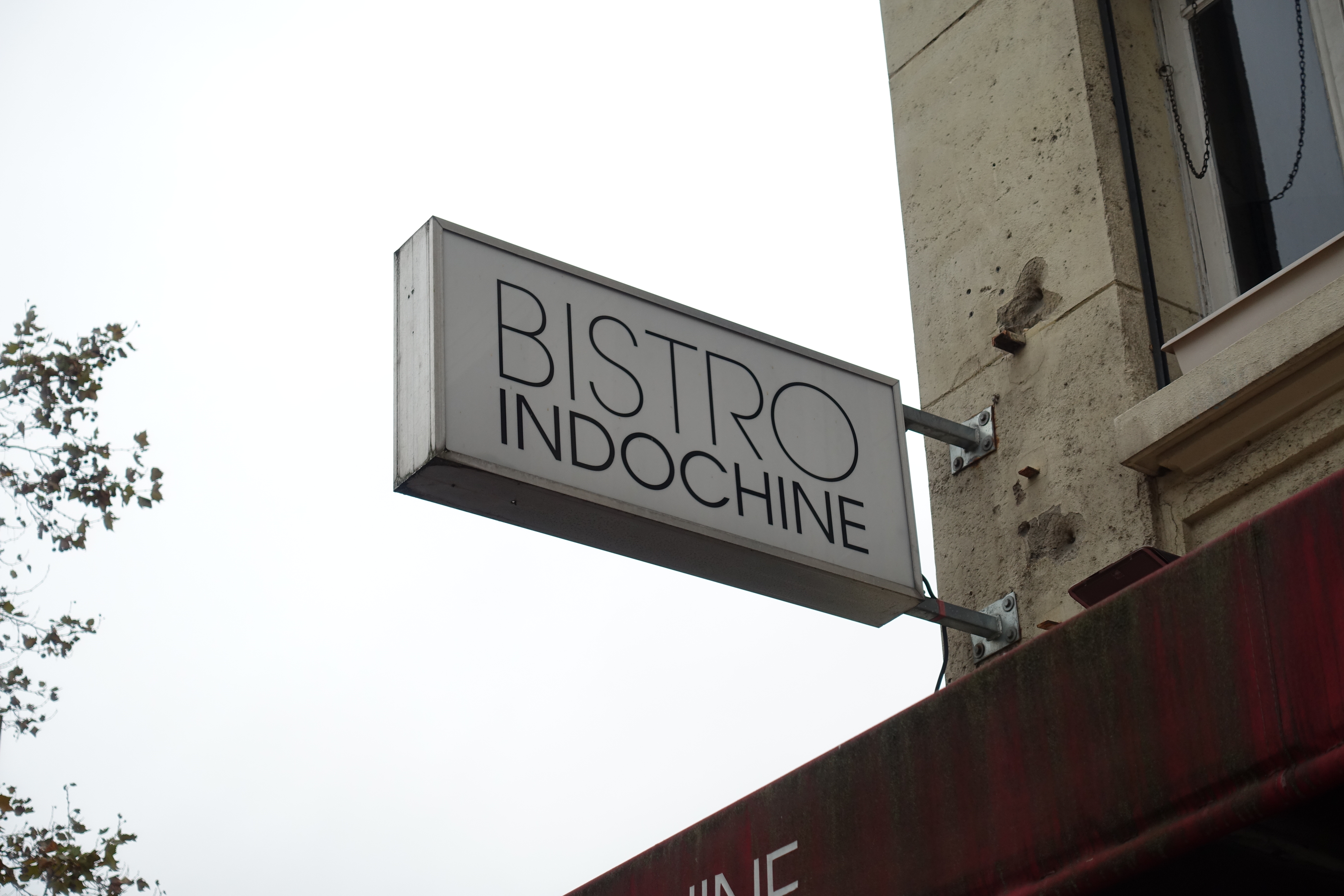
What Bistronomy Means
Bistronomy describes a style of cooking and service that borrows the precision of fine dining but rejects heavy ritual, expensive decor, and rigid hierarchy in the dining room. In Paris, the movement flourished when chefs trained in elite kitchens began opening smaller restaurants with more personal identities.
The result was not cheap dining in an absolute sense. Rather, it offered better value relative to classical gastronomic restaurants by channeling money toward ingredients, skill, and thoughtful wine lists instead of luxury trappings.
Bistronomy is less about casualness for its own sake than about reallocating prestige from room spectacle to cooking intelligence.
Origins in Late Twentieth-Century Paris
The roots of bistronomy are often traced to chefs in the 1990s and early 2000s who challenged the economic and aesthetic burdens of traditional haute cuisine. Paris provided the perfect testing ground: dense neighborhoods, knowledgeable diners, and a deep bench of cooks trained in exacting technique.
These restaurants tended to use chalkboard menus, smaller teams, and shorter carte structures. Their confidence came from flexibility: a fish might disappear if the morning purchase was disappointing, and a menu might pivot quickly with the market.
- Smaller dining rooms reduced overhead and encouraged direct chef presence
- Short menus made daily sourcing changes possible
- Neighborhood clientele supported repeat visits beyond destination tourism
Aesthetic Shifts in the Dining Room
Bistronomy deliberately softened the distance between kitchen and guest. Tables could be close together, service warm rather than ceremonial, and interiors stripped of luxury codes that once signaled seriousness. Bare wood, handwritten notes, and simple tableware became part of the message.
This aesthetic mattered because it broadened who felt comfortable entering ambitious restaurants. Diners no longer had to decode silver-service rituals to access refined technique.
The best bistronomy rooms are attentive and disciplined; they simply replace intimidation with fluency and warmth.
Influence on Paris and Beyond
Bistronomy reshaped Paris dining geography by making eastern neighborhoods, especially the 10th and 11th arrondissements, into destinations for serious eating. It also influenced international restaurant scenes from London to Copenhagen to New York, where informality became compatible with culinary ambition.
Its legacy now feels mainstream: market menus, natural wine pairings, compact tasting options, and an emphasis on traceable sourcing all owe something to the movement's success.
- Neighborhood bistros became global culinary pilgrimage stops
- Informality gained prestige without abandoning technical rigor
- Septime-era dining helped define modern Paris for food travelers